The $20,000–$80,000 inventory loss figure gets quoted a lot in cold chain discussions, but what it actually represents is a wide range. The lower end describes a partial load in a medium-capacity walk-in cooler — fresh produce, dairy, or meat that was close to outbound delivery when the unit went down. The upper end describes a full 53-foot refrigerated trailer loaded with protein for a regional distribution run. The actual figure in any given incident depends on what was in the unit, how long the thermal excursion lasted, and whether the product can be tested and re-graded or has to be written off entirely.
The more actionable question isn't the dollar range — it's the pattern. Across incidents we've seen analyzed and discussed in operations forums and post-incident reports from food logistics operators in the Mountain West, one pattern holds consistently: temperature excursions that result in inventory loss are almost never the result of a single sudden failure. They are the end state of a degradation sequence that had detectable precursors for weeks.
The Incident Anatomy: What Actually Happened
Consider a representative incident from a produce distribution operation running 28 refrigerated units across two facilities. A walk-in cooler unit serving a high-value perishables zone failed during a Friday overnight window. By the time the operations manager was notified Saturday morning, the cooler had been at 52°F for approximately six hours. The load — roughly 4,200 pounds of fresh-cut fruit and packaged greens — was partially condemned after a quality inspection.
Post-incident review of the unit's service records showed a 90-day PM visit three weeks prior. The technician's notes from that visit said: "unit operating within spec, refrigerant charge verified, filter replaced." Nothing was flagged. The unit failed 23 days later.
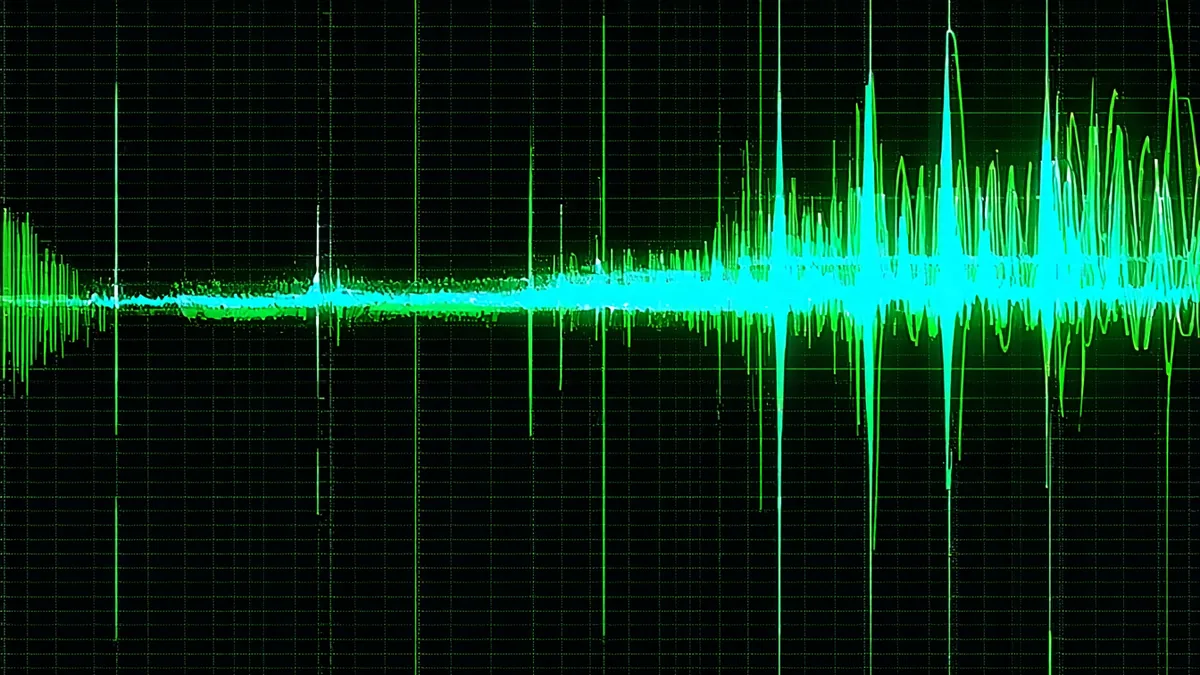
What the post-mortem identified: the compressor had been showing an elevated discharge temperature trend for at least five weeks before the failure. The suction pressure had been drifting slightly low for three weeks — consistent with early-stage refrigerant leak or a developing metering device issue. Neither of these trends was visible to anyone because no one was watching sensor data between PM visits. The PM visit three weeks before failure happened to fall in the window before the degradation became obvious to a visual inspection.
Where Calendar Maintenance Structurally Fails
The issue isn't that the PM visit was poorly executed. In the example above, the technician probably did exactly what the PM checklist specified. The issue is that a point-in-time inspection — even a thorough one — captures the equipment state at that moment. A unit that looked fine at T-minus 23 days can fail at T-zero. The calendar schedule doesn't know the condition trajectory between visits.
For most commercial refrigeration units, the critical parameters — suction and discharge pressure, discharge line temperature, compressor body vibration, superheat, subcooling — change continuously based on ambient conditions, load, and equipment wear. A 90-day inspection window is four months of blind operation. In a unit with a developing refrigerant leak or a bearing in early degradation, four months is often the difference between a scheduled repair and an emergency replacement.
We're not saying PM visits are worthless — they catch a different class of issues (physical inspection findings, filter condition, electrical connection verification) that sensor monitoring alone doesn't replace. The point is that between PM visits, a unit's condition is unknown, and most cold chain incidents happen in that unknown window.
The Cost Structure of a Cold Chain Incident
Direct inventory loss is the most visible cost, but it's not the only one. A typical cold chain incident at a food distribution operation involves:
- Inventory write-off: The most immediate and quantifiable cost. Varies by product type, load factor, and duration of excursion.
- Emergency repair premium: After-hours refrigeration service runs 2–3x standard labor rates. If the unit needs a compressor replacement — which is common when failures reach the terminal stage — the parts and labor bill on an emergency call can run $1,800–$4,500 depending on unit size.
- Customer delivery failure: If the failed unit was holding product for outbound delivery, the operator absorbs the cost of delay, partial delivery, or customer order cancellation. For a distributor with thin margins and multi-stop grocery routes, a single delivery failure can create downstream relationship problems disproportionate to the immediate dollar figure.
- FSMA documentation gap: If the temperature excursion affects product in a monitored zone, the distributor may need to produce a corrective action report and updated HACCP records. This is administrative burden at minimum; in a worst case it contributes to a broader food safety audit finding.
- Unit downtime during emergency repair: Emergency repairs often take 24–48 hours to complete, during which the affected zone is either unavailable or operating on temporary cooling supplementation. The capacity disruption affects adjacent inventory and scheduling.
What Preventable Actually Means
When operations managers review cold chain incidents and describe them as "preventable," they usually mean one of two things: either the equipment gave obvious signs of trouble that weren't acted on, or the failure mode was one that sensor monitoring would have detected with enough lead time to schedule a repair.
Bearing failures in compressors — one of the most common failure modes in commercial refrigeration — present with detectable vibration changes three to six weeks before functional failure. Refrigerant leaks develop measurable pressure trend deviations days to weeks before the leak rate is large enough to affect cooling performance. Scroll wear in scroll compressors produces a characteristic efficiency degradation signature in superheat and discharge temperature data before the unit loses the ability to maintain setpoint.
None of these failure modes require exotic sensing equipment to detect. Standard vibration sensors, temperature transmitters, and pressure transducers — the same sensors installed in most modern commercial refrigeration units — generate the data needed to see these patterns. The question is whether that data is being monitored continuously and whether anomaly trends trigger a maintenance action before the failure completes.
From Incident Analysis to Changed Workflow
The operational shift required to convert most preventable cold chain incidents into planned maintenance visits is less about sensor investment and more about workflow. The data is frequently available; the problem is that it accumulates in isolation — a controller display that someone checks during a PM visit, or a building management system that logs temperatures without connecting those logs to a maintenance action trigger.
What needs to change is the link between continuous sensor monitoring, anomaly detection with enough persistence logic to filter noise from real trends, and a maintenance dispatch workflow that gets a work order in front of a technician while there's still a three-to-four-week window to schedule a planned visit. That window is what separates a $400 bearing kit replacement on a Tuesday afternoon from a $3,200 emergency compressor swap on a Saturday night with $28,000 of product on the floor.
Operators who track their own incident patterns often find that the majority of incidents cluster by failure mode — bearing failures in units past 36 months of service, refrigerant issues in units with certain installation histories, scroll wear in units running high ambient temperature locations. That pattern creates a prioritization framework: which units deserve the most monitoring attention, which failure modes to watch for, and what lead-time to expect before a scheduled intervention can prevent the incident.